
Helping you import competitive Frozen Seabass
Seabass Material Price Trend
Cost Structure in Aquaculture: A study on Chinese seabass (L. maculatus) farming from 2016-2017 provides insight into production costs, which can be a proxy for understanding price components. The total cost per kilogram varied by farming model: 16.69 RMB/kg for pond culture, 31.48 RMB/kg for ordinary cage culture, and 36.62 RMB/kg for deep-water cage culture. Feed cost was the largest component, accounting for 66.33% to 75.54% of the total cost. This suggests that the price of finished fish is heavily influenced by feed costs.
- Market Growth and Demand: The projected growth of the global seabass market at a CAGR of 3.5% indicates steady demand, which can influence price stability or lead to upward pressure over the medium to long term.
All About Seabass
Product Overview
Seabass, particularly the species Lateolabrax japonicus, is a highly prized finfish in global seafood markets, renowned for its delicate flavor, firm texture, and excellent nutritional profile. Known as Japanese Seabass or Suzuki, this species is a cornerstone of aquaculture in East Asia and has gained significant traction in international markets due to its adaptability to various farming systems and culinary versatility. This overview details the biology, sustainable aquaculture practices, and market dynamics of this valuable seafood commodity.
1. Background
The Japanese Seabass (Lateolabrax japonicus), also known as Japanese sea perch, is a species of significant economic importance in East Asia. It is a demersal fish, primarily inhabiting coastal waters, and is known for its typical fierce carnivorous characteristics. This species is highly adaptable, thriving in a wide range of salinities, from freshwater to seawater, making it an excellent candidate for diverse aquaculture systems, including ponds, cages, and inland saline waters. Its superior environmental adaptability, resistance to disease, and flexible dietary needs have made it a top choice for farmers. In China, its annual production has exceeded 100,000 tons, ranking first among farmed marine fish species. The development of aquaculture techniques, particularly the shift towards offshore anti-storm wave cage farming, has been crucial in meeting the growing global demand for this high-quality fish.
2. Main Producer Countries
The production of Lateolabrax japonicus is dominated by countries with well-established aquaculture sectors and access to suitable coastal environments.
China: China is a major producer of seabass. The industry has seen significant consolidation, with regions like Zhuhai in Guangdong province becoming a core production area, where seabass farming accounts for about two-thirds of the local marine fish farming area.
Global Context: While the search results focus on Chinese production for L. japonicus, the global seabass market (which includes other species like Dicentrarchus labrax and Lates calcarifer) involves other key players. The United States is a major market, and European countries like Spain, Italy, and the UK are significant importers of frozen seabass. The global market is characterized by robust trade, with exports from producing nations to markets in North America, Europe, and the Middle East.
3. Habitat and Biology
Lateolabrax japonicus is a demersal fish species with distinct biological characteristics and habitat preferences.
Natural Habitat: It is a shallow-water, near-shore fish that typically inhabits the bottom layers of the water column. It is euryhaline (tolerant of a wide salinity range) and is often found in estuaries where freshwater from rivers mixes with seawater, a environment it particularly favors.
Biological Characteristics: This species exhibits typical fierce carnivorous characteristics. It has an elongated and laterally flattened body, a medium-sized head that is slightly pointed, and large scales.
Optimal Conditions: The optimal growth salinity for Lateolabrax japonicus is between 16-17‰, and the optimal growth temperature range is 16-27°C.
4. Scientific and Commercial Names
The nomenclature for this specific seabass is well-defined.
Scientific Name: Lateolabrax japonicus. It is important to distinguish this from other commercially important seabass species, such as the European seabass (Dicentrarchus labrax) and the Barramundi or Asian seabass (Lates calcarifer) .
Commercial Names: It is commonly known as Japanese Seabass or Japanese Sea Perch. In Chinese, it is often referred to as “海鲈” (Hai Lu, meaning Sea Bass).
5. Aquaculture Development History
The artificial cultivation of Lateolabrax japonicus has evolved significantly to meet market demand.
Response to Wild Stock Decline: The wild resources of seabass have faced pressure from overfishing, leading to a greater reliance on aquaculture to meet market needs.
Technological Advancements: Traditional farming methods have gradually shifted towards more advanced models, notably offshore anti-storm wave cage farming. This has allowed for expansion into deeper waters and improved sustainability.
Scale of Production: The industry has transformed from scattered individual operations into a concentrated regional specialty in key areas like Zhuhai. The annual output of sea bass in China has now exceeded 100,000 tons, making it the highest-yielding farmed marine fish species.
6. Core Cultivation Regions
The cultivation of Lateolabrax japonicus is concentrated in specific coastal regions with favorable conditions.
Zhuhai, Guangdong Province: This area is a core production region. As of 2014, the sea bass farming area in Zhuhai reached over 1,367 hectares, with the Doumen Baijiao town alone accounting for more than 1,067 hectares. This represents a high degree of industrial concentration.
Farming Environments: Seabass are farmed in a variety of environments, including freshwater ponds, seawater ponds, factories (freshwater and seawater), cages, and inland saline-alkaline waters. This versatility contributes to its widespread cultivation.
7. Nutritional Value
Seabass is recognized as a nutritious and healthy food choice, offering a range of health benefits.
Rich in Omega-3 Fatty Acids: Seabass is an excellent source of Omega-3 fatty acids, which are crucial for promoting heart health, reducing inflammation, and supporting brain and eye health.
High-Quality Protein: It is a great source of high-quality protein, essential for muscle repair and growth. A 3-ounce (approximately 85g) serving provides about 16 grams of protein with relatively low calories, making it ideal for those managing their weight.
Vitamins and Minerals: Seabass contains various essential vitamins and minerals, including Vitamin A, D, E, and selenium. These nutrients play vital roles in immune function, bone health, and providing antioxidant protection.
Additional Health Benefits: The fish is also rich in other minerals like phosphorus, potassium, calcium, magnesium, and zinc. Its nutritional profile makes it a popular choice for post-surgery or postpartum recovery, as it aids in wound healing and replenishing nutrients.
Table: Nutritional Profile of Seabass (per 100g serving)
| Nutrient | Approximate Value |
|---|---|
| Calories | 105 kcal |
| Protein | 18.6 g |
| Fat | 3.4 g |
| Omega-3 Fatty Acids | Present (exact value varies) |
| Selenium | Present (exact value varies) |
8. Main Product Types
Seabass is available in various product forms to cater to different market needs and consumer preferences.
Fresh Whole Fish: Sold in markets, often with gills and internal organs removed, catering to consumers who prefer to prepare the whole fish.
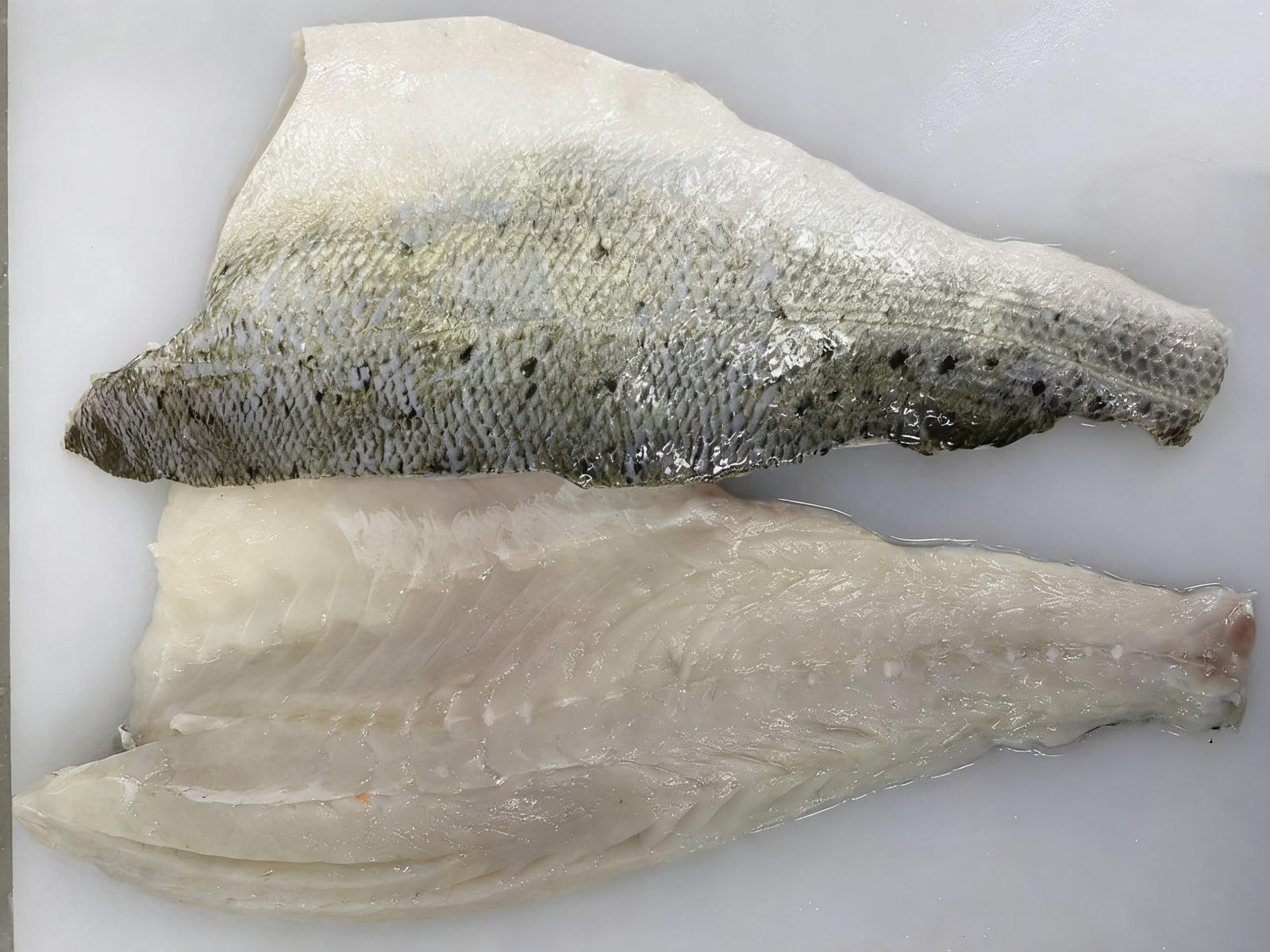
Fresh Fillets: Skinless and boneless fillets are offered for convenience, available in both fresh and frozen forms.
Frozen Seabass: A significant product in international trade, with major importing countries including Spain, the United States, and the United Kingdom. Frozen whole fish and fillets allow for longer shelf life and global distribution.
Value-Added Products: While the primary focus is on fresh and frozen whole fish/fillets, the broader seabass market includes processed items, though these are more common for other seabass species.
9. Global Market and Trade
The global seabass market is substantial and exhibits steady growth.
Market Size and Growth: The global seabass market was estimated at $10.1 billion in 2024 and is projected to reach $12.5 billion by 2030, growing at a compound annual growth rate (CAGR) of 3.5%. The Chinese market is expected to grow even faster, with a CAGR of 6.7% during the same period.
Key Trade Flows: There is active international trade in frozen seabass. In 2023, the top importers of frozen seabass were Spain ($10.05 million, 1.65 million kg), the United States ($7.23 million, 1.06 million kg), and the United Kingdom ($5.40 million, 0.71 million kg). This highlights strong demand in Western markets.
Market Drivers: Growth is fueled by rising consumer awareness of the health benefits of seafood, the versatility of seabass in various cuisines, and the expansion of aquaculture which ensures a steady supply.
10. Aquaculture Technology
The cultivation of Lateolabrax japonicus employs several technologies, primarily pond and cage culture systems.
Pond Culture:
Pond Conditions: Ponds typically range from 0.33 to 0.80 hectares in area, with a depth of 1.7 to 2.5 meters. Proper infrastructure, including aeration equipment, is essential.
Stocking and Management: Fingerlings are often temporarily nursed before being released into grow-out ponds at densities around 1.5 fish per square meter. Feeding is critical, with diets consisting of low-value trash fish or artificial compound feeds. During optimal temperature seasons, feeding can be 4-5 times daily, at 10-30% of the fish’s body weight.
Cage Culture:
Site Selection: Suitable areas for cage culture require good water quality, depths of 4-10 meters, and shelter from wind and waves.
Cage Structure: Cages can be constructed from materials like wood or more advanced HDPE (High-Density Polyethylene), which offers better resistance to storms. Net meshes are chosen according to the size of the fish and are changed as the fish grow.
11. Quality Standards and Certification
Adherence to quality and sustainability standards is increasingly important in the global seafood market.
Sustainability Certifications: While not explicitly mentioned for L. japonicus in the ASC and BAP certificates till now, the broader seafood industry is seeing a growing influence of certifications like the Aquaculture Stewardship Council (ASC) and Best Aquaculture Practices (BAP). These certifications assure consumers of environmentally and socially responsible farming practices.
Food Safety and Traceability: Modern supply chains emphasize food safety protocols, traceability systems, and advanced packaging (like vacuum and modified atmosphere packaging) to ensure product freshness and quality.
12. Sustainable Aquaculture Practices
The industry is increasingly focusing on sustainable practices to ensure long-term viability.
Technological Innovation: The adoption of Recirculating Aquaculture Systems (RAS), offshore cage farming, and improved hatchery management has significantly enhanced production efficiency, feed conversion rates, and survival rates.
Breeding Programs: Selective breeding programs that focus on growth performance, disease resistance, and environmental tolerance are crucial for improving stock quality and reducing environmental impact.
Disease Control and Feed Sustainability: Research and Development in disease control and sustainable feed ingredients, such as algae and insect-based alternatives, are key to minimizing the environmental footprint of aquaculture.
13. Processing and Quality Control
Maintaining high quality from farm to consumer involves careful processing and control.
Supply Chain Modernization: The seabass supply chain has benefited from advancements in low-temperature transportation, vacuum packaging, and controlled atmosphere packaging (MAP) technologies, which enable long-distance distribution while preserving freshness.
Real-Time Monitoring: The use of real-time aquaculture monitoring systems helps farmers optimize feeding schedules, reduce waste, and track growth, contributing to overall quality control.
14. Market Advantage Comparison
Seabass holds a competitive position in the global whitefish market due to its unique attributes.
Table: Seabass Market Advantage Comparison
| Feature | Seabass (Lateolabrax japonicus) | Pangasius | Tilapia |
|---|---|---|---|
| Flavor & Texture | Delicate flavor, firm texture; highly versatile in cooking. | Mild flavor, soft texture. | Mild flavor, firm texture. |
| Nutritional Value | High in Omega-3s, rich in protein, vitamins, and minerals. | Lean protein, lower in Omega-3s compared to seabass. | Good protein source, lower in Omega-3s compared to seabass. |
| Market Positioning | Often positioned as a premium product in many markets. | Generally viewed as a budget-friendly option. | Widely available and affordable. |
| Culinary Versatility | Suitable for a wide range of cooking methods, from steaming to grilling. | Adaptable to various dishes, often used in processed forms. | Versatile, used in various cuisines. |
| Sustainability | Advancing through improved aquaculture technologies and practices. | Farming practices vary; certification is important. | Farming practices vary; certification is important. |